
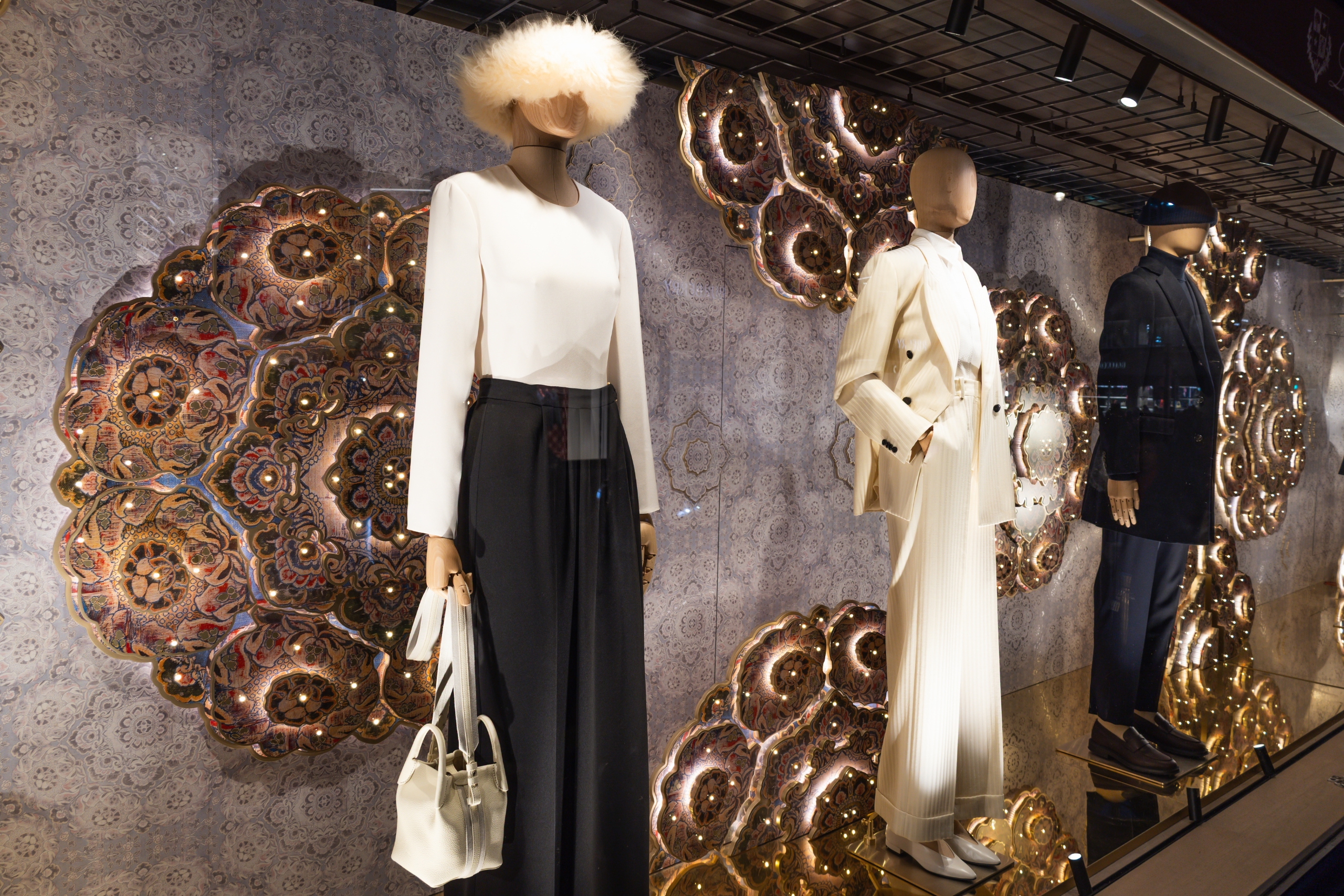
Getting dressed used to be simpler. The morning sky told you what you needed to know — bright and hot meant light clothes, grey and cold meant layers, rain meant the coat and the waterproof shoes — and the day’s weather was reliable enough that the outfit chosen at seven in the morning was appropriate for the same person at seven in the evening. That simplicity is increasingly a relic of a more climatically stable era. The weather patterns of the contemporary moment are less predictable, more variable within a single day, and more prone to the dramatic temperature swings whose specific challenge — the morning that requires a coat and the afternoon that makes you carry it everywhere — has become one of the most consistently frustrating daily experiences of anyone who thinks even modestly carefully about how they dress. The intersection of clothing, comfort, and the rapidly changing weather conditions that the twenty-first century is producing with increasing frequency is not merely a fashion consideration but a genuine quality of life consideration — the person who is dressed appropriately for the full range of the day’s weather is the person who is most comfortable, most physically functional, and most mentally free to engage with the day’s actual demands rather than the specific physical discomfort of being too hot, too cold, too wet, or too bulky in the outfit that served the morning but failed the afternoon. This guide covers the complete approach to dressing for comfort and style in weather that refuses to behave — the layering strategies, the fabric choices, the specific garment types, the accessory intelligence, and the broader wardrobe philosophy whose adoption makes the unpredictable weather day not the daily clothing challenge it currently is for most people but the manageable, even enjoyable, styling opportunity whose solution is as stylish as it is practical.
The Layering System: Fashion’s Most Practical and Most Elegant Strategy
Layering is not merely a cold-weather clothing technique — it is the foundational clothing strategy for any day whose temperature range spans the uncomfortable spectrum between the morning chill and the afternoon warmth that the transitional seasons of spring and fall most reliably produce and that the increasingly unpredictable weather patterns of both summer and winter are beginning to generate with the specific frequency that makes the dressed-for-one-temperature wardrobe approach the most consistently inadequate available for the person who spends any significant portion of their day outdoors or in buildings whose climate control does not perfectly match their body’s thermal comfort requirements. The three-layer system — the base layer whose moisture-wicking function manages the sweat and the body heat closest to the skin, the mid layer whose insulating function retains the warmth that the body generates, and the outer layer whose weather protection function manages the wind, the rain, and the specific environmental conditions that the day’s changing weather most directly produces — is the framework whose application to any weather condition, any temperature range, and any style aesthetic creates the most adaptable and the most comfortable dressing solution available.
The base layer is the clothing choice whose importance is most consistently underestimated because its function is invisible — the layer that nobody sees but whose specific performance most directly determines the comfort of everything worn over it. The moisture-wicking fabrics of the merino wool and the performance synthetic base layers whose specific fiber construction moves perspiration away from the skin and manages the specific transition between the warmth of exertion and the chill of stillness creates the comfort foundation that the cotton base layer — whose moisture retention after perspiration creates the clammy, cooling sensation that makes the outdoor autumn day feel significantly colder than its actual temperature — most directly fails to provide. The investment in quality base layer garments — the fitted merino wool crew neck, the moisture-wicking thermal legging, or the performance-fabric undershirt whose combination of comfort and functionality creates the specific advantage of the base layer that works rather than one that is merely present — is the clothing investment whose return in daily comfort across the full range of the unpredictable weather day exceeds that of any equivalent investment in any more visible garment category. The mid layer’s specific function of the warmth retention whose insulation traps the body heat that the outer conditions are attempting to remove makes its selection the most weather-responsive clothing decision available — the weight and the fill of the mid layer that is appropriate for the specific temperature range of the day, from the lightweight fleece or the thin down vest whose minimal bulk but whose genuine warmth serves the mild cool day, through the medium-weight down or synthetic-fill jacket whose significantly greater insulation serves the genuinely cold condition, creates the specific temperature management that the layering system most effectively enables through the mid layer’s adjustment to the changing conditions.
The outer layer is the most visible and the most style-expressive component of the layering system — the garment whose cut, color, and construction creates the fashion statement of the layered outfit while simultaneously providing the weather protection whose functional requirement is as real as the aesthetic one. The truly versatile outer layer for the unpredictable weather wardrobe is the one whose specific combination of wind resistance, water resistance or waterproofing, packability for the warm-weather storage in a bag during the afternoon when the morning’s cold has given way to the midday warmth, and the aesthetic quality of the piece that makes it genuinely attractive rather than merely functional creates the specific garment whose adoption solves the specific problem of the person who wants to dress for the full day rather than merely the morning. The packable down jacket, the technical shell whose lightweight packaged volume fits in a jacket pocket but whose deployed form provides genuine weather protection, and the stylish trench coat whose water-resistant construction combines the protection of the rain gear with the formal elegance of the classic outerwear silhouette are the outer layer options whose combination of function and fashion most completely serves the person whose day moves between the indoor and the outdoor, between the formal and the casual, and between the cold of the morning and the warmth of the afternoon with the specific completeness that the modern weather-appropriate wardrobe most directly requires.
Fabric Intelligence: Choosing Materials That Adapt to Your Body and the Weather
The fabric of a garment is not merely the material from which it is constructed — it is the primary determinant of the garment’s performance in the specific physical and environmental conditions of the wearing, whose specific properties of breathability, moisture management, insulation, weight, and the specific tactile quality of the contact with the skin together create the wearing experience that distinguishes the comfortable garment from the uncomfortable one regardless of the silhouette, the color, or the construction quality of the design that surrounds it. The person who understands fabric is the person who can make the clothing choices that will serve them in the specific weather conditions they face — the fabric knowledge whose practical application to the purchase decision prevents the specific disappointment of the beautiful garment that is completely miserable to wear in the conditions for which it was purchased.
Natural fibers are the fabric category whose specific performance in the changing weather conditions most consistently rewards the person who understands their specific properties. Merino wool — the wool whose specific fiber diameter is fine enough to prevent the scratching that coarser wool produces and whose natural protein fiber structure creates the most sophisticated moisture management and temperature regulation available in any natural textile — is the single most versatile fabric for the unpredictable weather wardrobe because its specific moisture-wicking capacity moves perspiration away from the skin when warm, its specific insulating structure retains warmth when cool, and its specific odor-resistance whose natural antimicrobial properties of the lanolin prevent the bacterial growth that produces body odor makes it the fabric that can be worn for multiple days in the variable conditions of the travel wardrobe or the busy week without the freshening that synthetic performance fabrics most consistently require. Linen, whose specific open weave and whose cellulose fiber’s natural moisture absorption and rapid evaporation creates the cooling sensation whose specific mechanism of the moisture pickup and release cycle makes it the most comfortable hot-weather fabric available, is the fabric whose specific summer and warm-weather application is among the most consistently rewarding in any warm-climate wardrobe — but whose specific wrinkle tendency requires either the specific acceptance of the natural linen texture’s lived-in character or the specific blending with synthetic fibers whose crease resistance partially preserves the linen’s comfort advantages while reducing the wrinkling that the purely natural fiber most consistently produces with ordinary wear.
Technical and performance fabrics — the engineered textiles whose specific construction of the moisture-wicking polyester, the stretch nylon, the Gore-Tex membrane, and the full range of the synthetic performance textiles whose specific physical properties are designed for the specific functional demands of the athletic, the outdoor, and the everyday comfort applications — are the fabric category whose integration into the contemporary fashion-forward wardrobe has created the specific convergence of performance and style that the athleisure movement most visibly expresses and that the broader integration of technical fabric properties into the traditional clothing categories of the dress shirt, the suit, the dress, and the everyday casual garment has made the specific physical comfort of the performance textile available across the full range of the fashion context in which its adoption was previously considered aesthetically inappropriate. The stretch shirting of the performance dress shirt whose four-way stretch construction eliminates the specific restriction of movement that the traditional woven cotton dress shirt creates and whose moisture management prevents the specific visible perspiration that the formal occasion context most requires to be managed invisibly is the most direct available example of the fashion and clothing category’s successful integration of the technical fabric’s performance advantage into the aesthetic context whose traditional fabric requirements previously made the performance alternative both physically uncomfortable and socially inappropriate.
Transitional Season Dressing: The Art of the Versatile Wardrobe
The transitional seasons of spring and fall are the specific weather conditions for which the least adequate wardrobe preparation is most consistently available and whose specific challenge of the temperature range that can span from the genuinely cold of the early morning through the genuinely warm of the midday to the re-chilling of the evening creates the most demanding single-day dressing requirement available in the annual weather cycle. The person whose wardrobe is organized into the binary of the summer clothes and the winter clothes — the storage boxes whose seasonal rotation replaces one inappropriate set of clothing with another — is the person whose transitional season experience is the most consistently uncomfortable because the summer clothes are too light and the winter clothes are too heavy for the specific moderate temperatures whose range is wider, more variable, and more demanding of the specific adaptability that neither the summer nor the winter wardrobe provides with the completeness that the transitional season most directly requires.
The transitional season wardrobe is built around the specific garment types whose versatility across the temperature range that spring and fall most characteristically produce creates the most adaptable and the most comfortable dressing solution available for the weather that refuses to commit to a single season. The light cardigan — the layer whose specific weight and whose specific warmth of the open-knit construction creates the most responsive temperature management available in any single garment, added when cool and removed when warm without the bulk or the style disruption of the heavier jacket — is the quintessential transitional season garment whose presence in the outfit creates the specific flexibility that the unpredictable day most directly demands. The denim jacket whose medium weight sits perfectly in the temperature range between the seasons, whose specific cultural versatility creates the style compatibility with the casual, the smart-casual, and with appropriate styling the semi-formal dress code, and whose durability across the repeated on-and-off cycle that the changing weather day most directly requires makes it the most broadly useful transitional layer available in the contemporary casual wardrobe. The wide-leg trouser in a medium-weight fabric and the midi skirt whose hem length provides the warmth of the additional leg coverage that the morning chill requires without the heavy winter feel of the thermal legging or the full-length trouser creates the specific lower-body styling whose transition from the cooler to the warmer hours of the day is most seamlessly and most comfortably achieved through the length-based warmth modulation that the transitional season’s specific temperature range most effectively enables.
Accessories as Weather Management Tools: Style That Actually Functions
The accessory is the fashion element whose specific contribution to the weather-appropriate outfit is the most underappreciated and the most efficiently deployed available — the item whose small physical scale and whose large functional and aesthetic impact creates the most return per unit of packing volume, per unit of carrying weight, and per unit of outfit transformation available in the entire wardrobe. The person who understands how to use accessories as weather management tools is the person who can adapt the same core outfit to significantly different weather conditions with the addition or the removal of the specific accessories whose function addresses the specific weather demand without the disruption of the underlying outfit’s style continuity that the layer change most commonly creates.
The scarf is the single most weather-versatile accessory available in the contemporary wardrobe — a piece whose specific function of neck and upper chest warmth addresses the specific body area whose chilling creates the most dramatic experience of cold relative to the temperature and whose warmth provides the most significant comfort improvement, whose complete removal when warm creates no carrying burden when worn wrapped around the bag strap or folded in the bag, and whose aesthetic versatility across the lightweight silk scarf of the warm-weather outfit, the medium-weight wool blend of the transitional season, and the heavyweight cashmere of the genuinely cold day creates the single accessory whose year-round applicability and whose outfit-elevating quality make it the most complete single investment in the weather-adaptive stylish wardrobe. The packable hat — the baseball cap or the beanie or the wide-brimmed sun hat whose small packed volume in the bag provides the sun protection or the warmth whose provision on demand creates the specific comfort management that the changing weather day most directly enables through the smallest and the most portable available weather protection tool — is the accessory whose consistent presence in the bag regardless of the morning’s weather creates the specific preparedness for the afternoon’s surprise that the experienced weather-dresser most reliably maintains.
The belt bag and the tote whose specific carrying capacity for the layers that the warm afternoon’s removal makes portable creates the fashion and clothing infrastructure of the weather-adaptive outfit whose practicality of the carried layer is as important to the overall weather management strategy as the garment choices themselves. The outfit that includes the packable jacket, the lightweight scarf, and the tote or belt bag whose capacity accommodates both when not needed is the complete weather-adaptive outfit whose management of the full day’s weather range requires the specific combination of the right garments and the right carrying solution whose absence most commonly transforms the elegant morning outfit into the burdened, hand-occupied afternoon experience of the person who is carrying their coat, their scarf, and their umbrella in three separate hands while attempting to look put-together in a situation that the right carrying solution would have made entirely manageable from the first step out the door.
Building a Weather-Ready Capsule Wardrobe: The Investment Strategy for Every Season
The capsule wardrobe — the curated collection of the specific versatile, high-quality, mutually compatible garments whose combination creates the maximum number of appropriate outfits from the minimum number of individual pieces — is the wardrobe philosophy whose application to the weather-adaptive dressing challenge creates the most practical, the most financially efficient, and the most stylistically coherent solution available to the person whose daily weather variability demands the adaptable outfit and whose available closet space and available fashion budget most directly reward the intentional capsule approach over the reactive accumulation of the single-use garment and the impulse purchase whose combined result is the full closet and the nothing to wear paradox that the capsule philosophy most specifically and most directly resolves.
The weather-ready capsule wardrobe is built around the specific neutral-toned, versatile pieces whose compatibility with each other and whose quality of construction create the outfit combinations that work across the full range of the weather conditions the wardrobe needs to address. The investment pieces whose quality justifies their higher cost — the merino wool sweater, the well-fitted trench coat, the quality denim jacket, the technical mid-layer, and the versatile neutral trouser whose construction and whose fabric hold up to the daily wear and the regular cleaning that the weather-adaptive wardrobe’s frequent use most directly requires — are the capsule foundation whose establishment from the first purchase decision creates the wardrobe core whose long service life makes the initial quality investment the most financially efficient approach available over the full use period of the garment whose low-quality equivalent’s shorter service life requires the earlier replacement that the total cost of ownership calculation most consistently makes more expensive than the quality investment that replaced it less frequently. The color palette whose limitation to the neutral and the compatible — the navy, the grey, the camel, the white, and the black whose combination in any proportion creates the outfit whose coherence requires no color coordination effort — is the capsule aesthetic whose specific reduction of the getting-dressed cognitive load creates the daily outfit construction that is as effortless as it is consistently appropriate for the broadest available range of social and professional contexts.
Conclusion
Dressing for comfort and style in the unpredictable weather conditions of the contemporary moment is not the sartorial defeat that the person whose morning outfit was wrong for the afternoon most commonly experiences it as — it is the specific design challenge whose solution, once understood and once implemented with the specific wardrobe intelligence that the layering system, the fabric knowledge, the accessory strategy, and the capsule wardrobe philosophy together provide, creates the daily dressing experience whose combination of genuine physical comfort across the full range of the day’s weather and the genuine aesthetic quality of the well-considered outfit is as completely achievable and as consistently reliable as the understanding of how to dress for the weather that refuses to behave most specifically and most practically enables. The fashion and clothing choices that serve this specific challenge are not the compromise between comfort and style that the false dichotomy of the comfortable-but-unstylish and the stylish-but-uncomfortable most commonly presents as the only available options — they are the specific garments, the specific fabrics, the specific layering combinations, and the specific accessory selections whose thoughtful adoption creates the outfit that is simultaneously the most comfortable and the most stylish available for the specific weather conditions that any given day most honestly and most unpredictably produces.
