
There is a specific category of entertainment experience that sits in the fascinating overlap between the purely recreational and the genuinely educational — the kind of place that tricks your brain into learning something profound while it is too busy being delighted, confused, amazed, and occasionally mildly terrified by what it is experiencing to notice that the lesson is arriving. These are the mind museums — the interactive science centers, the immersive art installations, the illusion galleries, the psychological experience spaces, the human body exhibitions, and the full range of the experience-first, concept-second entertainment institutions whose specific genius is the understanding that the human brain learns most completely and remembers most lastingly not when it is told something but when it directly experiences something — when the concept is not explained in text on a wall but physically encountered in a way that the visitor’s nervous system cannot ignore, cannot dismiss, and cannot quickly forget. The modern mind museum is the entertainment experience that most completely challenges the visitor’s assumptions about reality, perception, consciousness, science, history, and the specific nature of the human experience itself — and whose specific achievement of creating the genuine intellectual disruption that produces real learning through the medium of pure, engaged, occasionally childlike delight is the most sophisticated educational technology available in any public entertainment context. This guide celebrates the most extraordinary, the most mind-bending, and the most genuinely educational entertainment destinations of the mind museum category — from the world’s most spectacular science centers through the immersive illusion museums and the psychological experience spaces to the interactive history and culture installations whose specific genius in making the unforgettable learning experience indistinguishable from the most entertaining afternoon available in any city is the highest achievement of the museum and entertainment industries working in their most productive and most genuinely inspired combination.
Science Centers and Discovery Museums: Where Curiosity Becomes the Curriculum
The interactive science center is the institution that most completely realized the specific educational insight that the conventional museum’s passive observation model most consistently failed to act on — the understanding that the child and the adult who touches, manipulates, experiments, breaks, rebuilds, and directly interacts with the physical phenomena that illustrate a scientific concept learns that concept with a depth and a retention that no amount of reading about it, watching a video about it, or looking at a static exhibit illustrating it can approach. The explosion of the interactive science center from the early innovation of the San Francisco Exploratorium — the institution whose founding by physicist Frank Oppenheimer in 1969 as the first fully hands-on science museum created the model that the subsequent generation of science centers around the world most directly followed — to the current global landscape of hundreds of world-class interactive science destinations is the story of the gradual recognition that the museum whose primary purpose is the creation of the genuine experience of scientific discovery is simultaneously the best entertainment venue and the best learning environment available for any visitor regardless of their prior interest in science.
The Exploratorium in San Francisco remains the gold standard of the interactive science center whose more than six hundred exhibits — each designed around the specific principle that the visitor’s direct manipulation of the physical phenomenon produces the most complete available understanding of the scientific concept it illustrates — create the most completely hands-on science experience available in any single institution. The specific genius of the Exploratorium’s exhibit design is the consistent application of the principle that the best science exhibit is the one that requires no explanation — the exhibit that works so directly on the visitor’s senses that the scientific concept it demonstrates arrives as the specific experience of the phenomenon itself rather than as the conceptual description that requires the prior understanding to make sense. The light and perception exhibits whose specific manipulation of the human visual system’s specific processing limitations creates the optical illusions whose direct experience demonstrates the specific gap between the physical reality and the perceived one more completely than any description of the neural mechanisms whose understanding most conventionally achieves the same conceptual goal, the electricity exhibits whose direct, safe interaction with the physical phenomena of static electricity and electromagnetic induction creates the specific physical experience of the invisible forces that the abstract description most commonly fails to make viscerally real, and the biology and life science exhibits whose living organisms and whose direct biological demonstrations create the specific encounter with the complexity of life that the preserved specimen and the textbook diagram most inevitably reduce to the static and the abstract together create the specific experience of scientific discovery that the Exploratorium’s founding vision most completely and most enduringly realized.
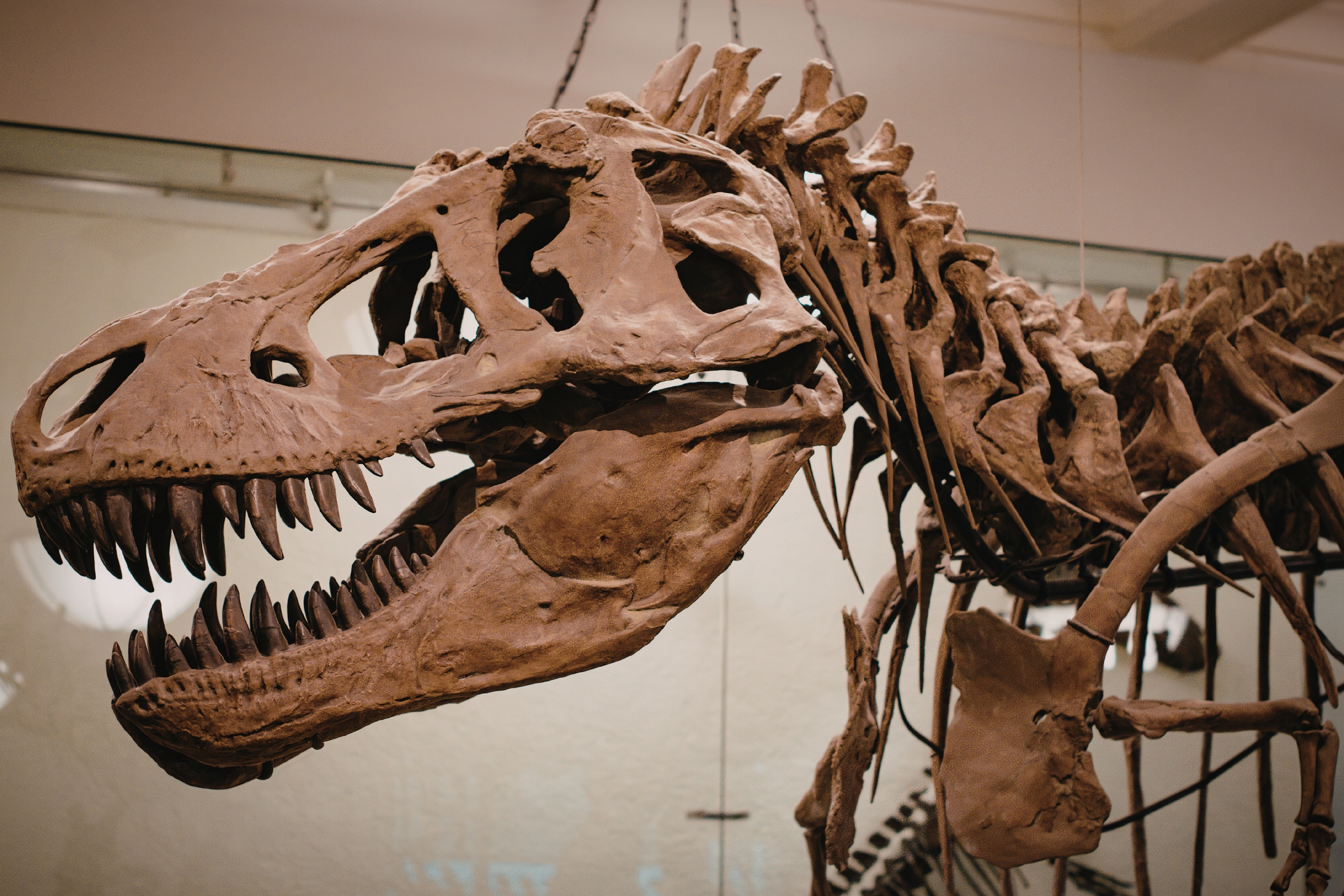
The Natural History Museum’s interactive elements across the major institutions of New York, London, Washington D.C., and the other great natural history collections whose specific combination of the magnificent specimen collection and the increasingly sophisticated interactive interpretation creates the specific meeting point between the entertainment value of the extraordinary physical objects — the blue whale skeleton, the dinosaur fossil, the giant gemstone collection — and the educational value of the scientific explanation whose interactive delivery through the touch-screen, the augmented reality overlay, and the hands-on model creates the most complete available public encounter with the deep history of life on earth. The specific achievement of the best modern natural history museum experience is the transformation of the visitor’s relationship with geological and evolutionary time — the specific cognitive shift from the abstract acknowledgment that the earth is very old and that life has been changing for a very long time to the direct experiential encounter with the specific creatures, the specific geological events, and the specific moments of evolutionary transition whose physical evidence in the specimen collection makes the deep time of natural history as viscerally real as any contemporary experience available in any entertainment context.
Illusion Museums and Perception Galleries: The Art of Tricking Your Brain
The illusion museum is the entertainment institution whose specific genius is the direct exploitation of the human brain’s most fundamental and most consistent operational limitations — the specific shortcuts, the specific assumptions, and the specific filling-in-of-gaps that the visual cortex performs automatically and continuously as the processing strategy that makes real-time perception possible but that also creates the specific vulnerabilities to the carefully constructed visual stimulus whose deliberate engineering to trigger the specific neural shortcuts produces the specific experience of seeing something that is not there, of misjudging a size or a distance or a color that is objectively known to be different from the perceived value, and of experiencing the specific cognitive dissonance of the brain’s confident incorrect conclusion whose correction by the objective measurement most viscerally demonstrates the specific gap between what we see and what is actually there. The illusion museum is simultaneously entertainment at its most immediately effective — the visitor who rounds a corner and discovers that their best friend appears to be three times their size in the Ames room is not performing the intellectual exercise of understanding perspective — and education at its most practically impactful, because the experience of the illusion and the understanding of why it works together create the most complete available demonstration of how perception actually works and why the brain’s perceptual shortcuts are both the most effective available real-time sensory processing strategy and the most systematic source of the misperceptions that understanding most directly corrects.
The Museum of Illusions — the global franchise whose dozens of locations across the United States and around the world have made the interactive optical illusion museum one of the most accessible and the most widely visited entertainment-education destinations available in the contemporary urban experience landscape — provides the most accessible entry point into the illusion museum experience whose specific combination of the selfie-friendly interactive exhibits, the clear educational explanation of each illusion’s psychological mechanism, and the consistent delight of the visitors whose reactions to the specific illusions range from the laughter of the immediately understood trick to the prolonged bewilderment of the illusion whose mechanism resists the quick explanation creates the specific entertainment and education combination that the institution’s global expansion most directly validates as the commercially successful and the personally meaningful experience that the visitor response most consistently endorses. The specific educational content that the Museum of Illusions most effectively delivers — the understanding of the specific perceptual mechanisms whose manipulation the individual illusions demonstrate, the grasp of the specific neural architecture whose shortcuts create the specific vulnerabilities to perceptual error that the illusions exploit, and the broader epistemological awareness of the gap between the confident perception and the objective reality that every illusion most specifically and most personally communicates — is the lesson whose delivery through the direct experience of being fooled by the specific illusion is more complete and more lastingly impactful than any lecture or reading about the psychology of perception could achieve with equivalent efficiency or equivalent personal memorability.
The Meow Wolf immersive art installations — the Santa Fe original House of Eternal Return and its subsequent expansions into Denver, Las Vegas, and the growing national footprint of the immersive entertainment company whose specific genre of the narrative-driven, multi-room, physically interactive art installation creates the most completely immersive experience-first environment available in any contemporary entertainment context — represent the most ambitious available fusion of the entertainment industry’s storytelling capability with the mind museum’s commitment to the experience that disrupts, challenges, and fundamentally changes the visitor’s perception of reality. The House of Eternal Return’s specific experience of the seemingly normal Victorian house whose interior conceals the portal into the dimension-bending, reality-fragmenting art installation whose every room contains the specific surprise of the unexpected aesthetic universe that the previous room most completely failed to anticipate creates the specific experience of the sustained, progressively deepening disorientation whose effect on the visitor’s perceptual and conceptual assumptions is the most complete available entertainment-format demonstration of the specific fragility of the ordinary reality construct whose stability the everyday environment most consistently and most uncritically reinforces.
Human Body and Brain Exhibitions: The Most Fascinating Subject You Never Studied Properly
The human body exhibition — the educational entertainment institution whose specific subject of the physical and neurological architecture of the organism whose experience you inhabit continuously but understand incompletely creates the most directly personally relevant learning opportunity available in any museum format — is the category of mind museum whose specific combination of the spectacular, the occasionally visceral, and the genuinely profound creates the most consistently memorable and the most personally impactful educational entertainment experience available to any visitor regardless of their prior interest in biology, medicine, or the specific sciences whose combined domain the human body exhibition most completely occupies. The person who leaves a great human body exhibition understanding something specific and new about the physical system that processes every experience they have ever had, generates every thought they have ever thought, and whose approximately seventy trillion cells are maintaining the specific homeostasis whose continuous successful management is the definition of being alive is the person whose specific encounter with the educational entertainment experience of the mind museum most directly demonstrates what the institution at its most ambitious and its most effective is genuinely capable of producing.
Body Worlds — the global exhibition series created by anatomist Gunther von Hagens whose plastination technology preserves real human bodies and body sections in the educational display configurations that the gross anatomy laboratory of the medical school historically monopolized and that the public exhibition most controversially but most educationally democratized for the general audience whose encounter with the actual physical reality of the human structural architecture creates the most viscerally immediate available education about the body whose everyday occupancy most people experience with a specific incuriosity about its physical details that the Body Worlds encounter most completely and most memorably disrupts — is the most directly educational and the most philosophically provocative human body exhibition available in the contemporary museum landscape. The specific experience of seeing the preserved cross-section of a human head whose display of the brain’s physical reality within the skull’s actual dimensions makes the abstract concept of the consciousness-generating neural hardware as physically concrete as any object visible in any exhibition, or the preserved smoker’s lung whose discolored, damaged tissue makes the abstract health consequence of the smoking habit as viscerally real as any public health campaign aspires but consistently fails to produce, is the specific educational impact of the actual physical specimen whose encounter most directly and most lastingly changes the visitor’s understanding of the body they live in.
The Franklin Institute in Philadelphia — whose specific combination of the giant walk-through heart, the brain exhibition whose interactive exploration of the neuroscience of perception, memory, emotion, and consciousness creates the most accessible and the most comprehensively educational brain science experience available in any public museum context, and the full range of the hands-on science exhibits whose design most consistently reflects the Franklin Institute’s specific commitment to the learning-through-doing educational philosophy that the institution’s namesake’s own scientific practice most completely embodied — is the most completely realized American science museum whose specific combination of the spectacular physical exhibits and the rigorous educational content creates the movies and entertainment equivalent of the genuine learning experience whose impact on the visitor’s understanding of the physical and neurological world is as lasting as its entertainment value is immediate.
History and Culture Museums That Bring the Past to Life: Learning You Feel in Your Bones
The history museum whose specific achievement is the transformation of the documented past from the abstract, text-dependent, chronologically organized sequence of events that the conventional historical exhibition most commonly presents into the specific, sensory, emotionally engaging encounter with the lived human experience of the historical moment whose physical, atmospheric, and narrative immersion most completely recreates the specific quality of being present in the past creates the most complete available educational entertainment experience in the humanities — the experience that most directly challenges the visitor’s sense of historical distance and most completely undermines the specific assumption that the people of the past were fundamentally different from the present-day visitor in their fears, their loves, their humor, their ambitions, and their specific quality of the fully human experience whose continuity across the millennia of recorded history the best historical museum experiences most viscerally and most powerfully demonstrate.
The National Museum of African American History and Culture in Washington D.C. — the Smithsonian institution whose specific architectural and curatorial design creates the most emotionally powerful and the most historically comprehensive immersive history experience available in any American museum — achieves the specific quality of the historical encounter that transforms the visitor’s understanding of American history with a completeness and a personal impact that no text, no film, and no conventional museum exhibition has previously achieved with equivalent effectiveness. The specific descent through the chronological exhibition whose movement from the African roots through the specific horrors of the Middle Passage and the centuries of enslavement to the specific triumphs of the resistance, the cultural creation, and the civil rights achievement whose cumulative story is told with the specific combination of the physical objects, the survivor testimony, the music, and the specific spatial and lighting design whose atmosphere most completely creates the emotional engagement that the purely informational presentation most consistently fails to produce is the museum experience whose impact on every visitor regardless of their prior knowledge of or personal connection to the history it presents is consistently described as the most profound single museum experience available in the United States.
The immersive historical experience installations whose technology enables the specific walk-through recreations of historical environments — the Pompeii immersive experience whose augmented reality overlay of the Roman city’s pre-eruption splendor creates the specific time-travel sensation whose encounter with the living city whose frozen moment the archaeological record most completely preserves, the Holocaust memorial museums whose specific architecture of the darkness, the constriction, and the specific disorientation most directly communicates the physical experience of the persecution whose historical documentation alone most incompletely conveys, and the Indigenous cultural centers whose language preservation, traditional practice demonstration, and specific architectural recreation of the pre-colonial built environment creates the most complete available encounter with the cultural heritage whose continuity the entertainment and education combination of the mind museum format most directly and most respectfully enables — are the specific history and culture museum experiences whose design most completely achieves the specific goal of the mind museum at its highest ambition: the experience that you carry out of the institution as a changed person whose understanding of the world, the past, and the specific humanity of the people whose stories the museum tells is permanently and specifically expanded by the quality of the encounter that the institution most directly and most generously enabled.
Planetariums and Space Science Centers: The Universe as Your Classroom
The planetarium is the mind museum whose specific entertainment technology — the projection of the night sky in its full observable glory onto the dome whose complete visual field creates the specific experience of being under the actual stars whose specific atmospheric clarity and whose specific spatial scale most people have never encountered in their ordinary light-polluted suburban experience — creates the most completely awe-inducing and the most immediately perspective-shifting experience available in any entertainment-education format. The specific experience of the dark dome, the full-sky projection, and the narrated journey through the solar system, the galaxy, and the observable universe creates the specific cognitive and emotional encounter with the scale of the cosmos whose contemplation most directly produces the specific combination of the intellectual humility, the existential wonder, and the specific quality of the perspective shift whose effect on the everyday concerns and preoccupations of the ordinary day is the most reliably and the most universally described as profound that any single entertainment experience most consistently produces across the full range of the human audience that the planetarium show most completely serves.
The Hayden Planetarium at the American Museum of Natural History in New York — whose specific Space Show productions narrated by performers including Neil deGrasse Tyson, Liam Neeson, and Meryl Streep create the most completely cinematic and the most scientifically rigorous planetarium experience available in any American institution — is the specific entertainment-education institution whose combination of the world-class astrophysics research community whose staff most directly informs the scientific content, the IMAX-dome projection technology whose resolution and whose spatial completeness creates the most visually immersive available cosmic journey, and the specific narrative capability whose translation of the most complex and the most abstract concepts in modern cosmology into the accessible, emotionally engaging language that the general audience’s understanding most directly requires creates the mind museum experience that most completely demonstrates what the entertainment-education format at its most ambitious and its most expertly executed is genuinely capable of producing for the visitor whose encounter with the universe’s actual scale, actual age, and actual complexity in the specific immersive context of the Hayden’s dome most directly and most lastingly produces the specific quality of the changed perspective whose achievement is the highest ambition available to any educational entertainment institution in any category of the mind museum genre whose specific genius in making the profoundest available human learning indistinguishable from the most genuinely extraordinary entertainment available in any form is the specific achievement that the very best of these institutions most completely and most memorably realizes.
Conclusion
The mind museum — in all the varied forms that the interactive science center, the illusion gallery, the human body exhibition, the immersive history installation, and the planetarium most completely represent — is the entertainment institution whose specific achievement of making genuine, profound, lasting learning indistinguishable from the most engaging, the most surprising, and the most personally impactful entertainment available in any public venue is the highest and the most genuinely valuable contribution that the entertainment industry makes to the intellectual and the cultural life of the communities it serves. The science concept that arrives not through the textbook’s explanation but through the direct physical experience of the phenomenon itself, the historical moment that is not recounted but encountered, the optical illusion that demonstrates the brain’s specific perceptual limitations more completely than any description of the neural mechanisms could achieve, the cosmic scale whose appreciation is delivered not as an abstract number but as the specific full-sky visual experience of the universe’s actual extent — these are the specific educational entertainment achievements that the best mind museums most consistently produce and that the visitor who seeks them out receives not merely as the memory of a good day out but as the specific expansion of their understanding of reality that the greatest movies and entertainment experiences have always most ambitiously aspired to create and that the mind museum, in its most brilliantly realized examples, most directly and most lastingly delivers.